
How to Lose Body Fat While Building Muscle: A Practical Guide

Premium wellness hero image showing healthy Ayurvedic food and herbs in a natural setting

Many people want to reduce body fat while improving muscle and strength at the same time.

This is often described as body recomposition.

It can be possible in some circumstances, particularly for beginners and people returning to structured training, but results vary from person to person.

The goal shouldn’t be rapid weight loss.

Instead, focus on improving your overall routine through sensible nutrition, strength training, physical activity and recovery.

What Is Body Recomposition?

Body recomposition generally refers to improving the balance between muscle and body fat.

This may involve:

  • Maintaining or increasing muscle
  • Reducing excess body fat
  • Improving strength
  • Improving fitness
  • Changing body measurements

This is why the weighing scale shouldn’t be your only measurement.

  1. Build Meals Around Nutritious Foods

A sustainable approach starts with your diet.

Include a variety of:

  • Vegetables
  • Fruits
  • Whole grains
  • Dal and legumes
  • Protein-rich foods
  • Nuts and seeds
  • Suitable dairy or alternatives

WHO and FAO emphasize variety, nutritional adequacy and balance as key principles of healthy diets. (World Health Organization)

  1. Include Protein-Rich Foods

Protein is important for maintaining and building body tissues.

Suitable sources can include:

  • Eggs
  • Paneer
  • Curd
  • Milk
  • Dal
  • Beans
  • Soy
  • Fish
  • Chicken

Your individual protein needs depend on factors such as body size, activity and goals.

  1. Strength Train

Strength training gives your body a reason to maintain and develop muscle.

A structured routine may include:

  • Squats
  • Lunges
  • Push-ups
  • Rows
  • Pull-downs
  • Presses
  • Other resistance exercises

Progress gradually rather than constantly changing your workout.

  1. Stay Physically Active

Daily movement also matters.

Walking, cycling, sports and other forms of physical activity can contribute to your overall activity level.

WHO recommends adults accumulate at least 150 minutes of moderate-intensity aerobic activity per week, or an equivalent amount of vigorous activity, along with muscle-strengthening activity on at least two days per week. (World Health Organization)

  1. Avoid Extreme Diets

Very restrictive diets may be difficult to maintain.

Instead of asking:

“How quickly can I lose weight?”

ask:

“What routine can I realistically maintain for the next six months?”

A sustainable approach is easier to build around real life.

Where Does Ayurveda Fit?

Ayurveda traditionally emphasizes food, lifestyle and individualized approaches to wellbeing.

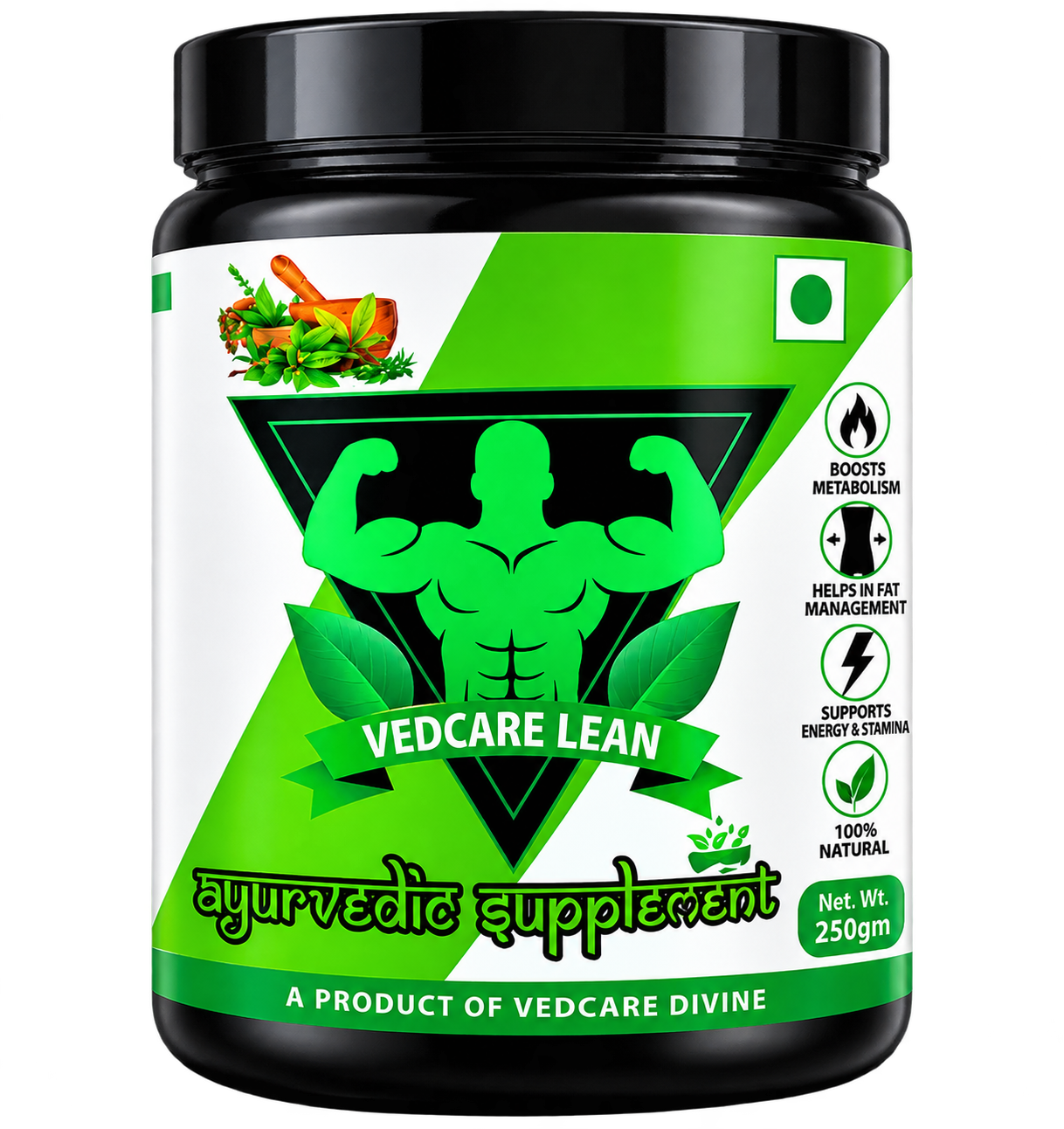
For people interested in an Ayurvedic formulation as part of their routine, VedCare Lean is positioned around weight/fat management and muscle-building.

It should be viewed as part of a broader lifestyle rather than a standalone solution.

What Should You Look for in a Weight-Management Product?

Be cautious of products promising:

  • Instant fat loss
  • Guaranteed results
  • Spot reduction
  • Effortless weight loss
  • Weight loss without dietary changes
  • Weight loss without physical activity

These claims oversimplify a complex process.

Botanical products also aren’t automatically safe simply because they are natural. (Office of Dietary Supplements)

How Should You Track Progress?

Consider several measures.

Body weight

Look at trends rather than individual daily readings.

Waist measurement

This can help you monitor changes around your midsection.

Strength

Are your exercises becoming easier or stronger?

Progress photos

Photos can reveal changes that aren’t obvious on the scale.

Fitness and energy

How are you performing during workouts and daily activities?

Final Thoughts

Successful body recomposition isn’t usually about finding one perfect product.

It’s about creating a repeatable system:

Nutritious food + strength training + physical activity + recovery + consistency.

VedCare Lean can be explored by people looking for an Ayurveda-inspired product as part of that broader routine.
COMMON ENQUIRIES

Frequently Asked Questions

We believe clarity is the first step toward conscious healing. Explore our detailed guide on Ayurvedic principles, personalized treatment programs, and our certified botanical sourcing policies.

Consult a VedCare Expert

Can I lose fat and build muscle at the same time?

It can be possible depending on your training history, nutrition, starting point and individual circumstances.

Cardio contributes to physical activity, but nutrition and resistance training can also play important roles.

Ayurvedic approaches can be incorporated into a broader wellness routine but shouldn't replace nutrition, physical activity or appropriate healthcare.

You cannot reliably choose where your body loses fat first. Overall fat loss and body composition changes are influenced by your total routine and individual biology.

Embrace Your Path to Conscious Wellness

Unlock customized Ayurvedic lifestyle guidance and divine herbal formulations curated by leading wellness experts. Begin your journey toward holistic harmony and lasting vitality today.


VedCare Divine Blog Disclaimer: The herbal recommendations, lifestyle advice, and statements presented across this platform have not been evaluated by the Food and Drug Administration or any government medical authority. Our premium traditional formulations are not intended to diagnose, treat, prevent, or cure any physical or chronic medical condition. Information on this website is of an editorial nature and should never substitute professional medical consultation. Please consult with a qualified Ayurvedic practitioner or physician before implementing new botanicals or therapies into your daily lifestyle regimen.

How to Gain Weight Naturally: A Practical Guide to Healthy Weight Gain

Trying to gain weight can be surprisingly difficult, especially if you have a naturally lean build, a busy lifestyle or difficulty eating enough throughout the day.

But healthy weight gain isn’t simply about eating as much as possible.

A better approach combines nutritious food, adequate energy intake, sufficient protein, strength training, recovery and consistency.

For people interested in Ayurveda, traditional herbal formulations can also be considered as part of a broader wellness routine.

What Does Healthy Weight Gain Mean?

Healthy weight gain means working toward increasing body weight while continuing to pay attention to the quality and variety of your diet and your overall physical health.

Simply increasing calories through sugary drinks, fried foods and highly processed snacks may increase body weight, but it doesn’t provide the balanced nutrition your body needs.

A healthy diet should provide a variety of foods and nutrients appropriate to your individual needs. WHO and FAO emphasize that healthy diets support growth, development, active lifestyles and overall wellbeing. (World Health Organization)

The goal, therefore, shouldn’t be:

“How can I gain weight as quickly as possible?”

A better question is:

“How can I build a sustainable routine that supports healthy weight gain?”

7 Practical Ways to Support Healthy Weight Gain

1. Eat Regularly

If you struggle to eat enough, consistency can make a big difference.

Instead of depending on one or two very large meals, create a routine that may include:


    • Breakfast

    • Mid-morning snack

    • Lunch

    • Evening snack

    • Dinner

    • An additional suitable meal or drink if needed

Regular eating can make it easier to meet your nutritional needs.

2. Choose Nutrient-Dense Foods

Focus on foods that provide both energy and useful nutrients.

Examples include:


    • Rice

    • Roti

    • Oats

    • Potatoes and sweet potatoes

    • Bananas

    • Dates

    • Nuts and seeds

    • Milk or suitable dairy alternatives

    • Paneer

    • Dal

    • Beans

    • Eggs

    • Fish or meat, where appropriate

The objective isn’t simply to eat more.

It is to make your meals more nutritionally useful.

3. Include Protein-Rich Foods

Protein is an important part of a balanced diet and is particularly relevant when weight gain is combined with resistance training.

Depending on your dietary preferences, protein sources can include:


    • Dal

    • Beans

    • Paneer

    • Milk

    • Curd

    • Eggs

    • Soy

    • Fish

    • Chicken

Your individual protein needs depend on factors such as body size, activity and overall goals.

4. Include Strength Training

If your goal is to improve your physique rather than simply increase the number on the weighing scale, resistance training can be useful.

A beginner’s routine might include:


    • Squats

    • Push-ups

    • Rows

    • Lunges

    • Pull-ups

    • Presses

    • Other progressive resistance exercises

WHO recommends muscle-strengthening activities involving major muscle groups on at least two days per week for adults. (World Health Organization)

5. Don’t Ignore Carbohydrates and Healthy Fats

Carbohydrates provide an important source of energy, while dietary fats also contribute energy and help make meals more calorie-dense.

Rice, roti, oats, potatoes, fruits, nuts, seeds and suitable oils can all have a place in a balanced diet.

There is no need to eliminate an entire food group simply because you’re trying to improve your physique.

6. Prioritize Sleep and Recovery

Training is only one part of the process.

Your routine should also include:


    • Consistent sleep

    • Rest days

    • Adequate hydration

    • Regular meals

    • A manageable training schedule

Extreme routines are often difficult to maintain.

Consistency usually matters more.

7. Track Your Progress

Don’t rely only on the weighing scale.

Depending on your goal, you can also monitor:


    • Body measurements

    • Strength

    • Workout performance

    • Appetite

    • Energy levels

    • Progress photographs

Look at trends over time rather than reacting to daily fluctuations.

Can Ayurveda Be Part of a Weight-Gain Routine?

Ayurveda has a long tradition of using herbs and formulations as part of broader approaches to wellness.

For someone interested in an Ayurvedic formulation alongside a weight-gain routine, VedCare Divine offers:

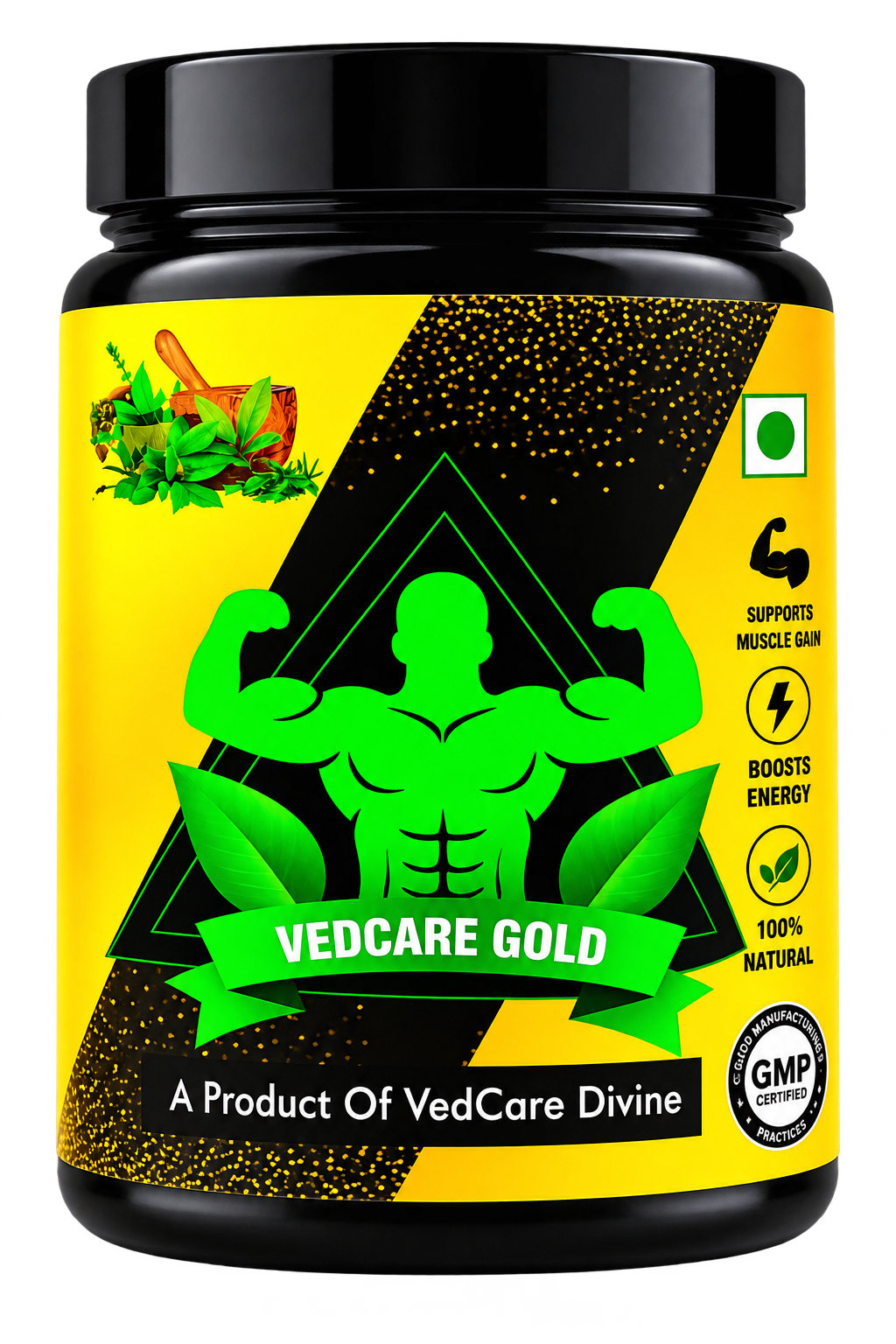
VedCare Gold — positioned around weight-gain-oriented wellness.

VedCare Build — positioned around weight gain and muscle-building.

VedCare Build Mini — a shorter starter format based on the Build formulation positioning.

These products should be considered as part of a broader routine rather than replacements for nutritious food, exercise or appropriate healthcare.

What About Ayurvedic Herbs for Weight Gain?

Traditional Ayurvedic formulations may contain ingredients such as:


    • Ashwagandha

    • Safed Musali

    • Shatavari

    • Gokshura

    • Vidarikand

    • Kaunch Beej

These herbs should not be treated as interchangeable or as guaranteed weight-gain solutions.

The complete formulation, preparation, recommended use and individual circumstances all matter.

Botanical products are not automatically risk-free simply because they are natural. NIH guidance notes that safety can depend on the botanical, preparation, amount used and individual circumstances. (Office of Dietary Supplements)

Common Weight-Gain Mistakes

Eating mostly junk food

High-calorie foods aren’t necessarily nutritious.

Skipping meals

Irregular eating can make it harder to consistently meet your nutritional needs.

Training without eating enough

Exercise increases your energy requirements.

Expecting one product to do everything

A supplement or herbal formulation cannot replace a balanced diet and suitable lifestyle.

Trying to gain weight too quickly

A sustainable routine is generally easier to maintain than an extreme approach.

Frequently Asked Questions

What is the best way to gain weight naturally?

Build a consistent routine around nutritious food, adequate energy intake, protein-rich foods, strength training and recovery.

Can Ayurveda be part of a healthy weight-gain routine?

Ayurvedic products can be considered as part of a broader wellness routine, but they should not replace adequate nutrition, exercise or appropriate healthcare.

Which Ayurvedic herbs are traditionally used in weight-gain formulations?

Ingredients such as Ashwagandha, Safed Musali, Shatavari, Gokshura and Vidarikand are found in various traditional formulations. Their traditional uses and suitability differ

Can I gain weight without exercise?

You can increase body weight through food intake alone, but resistance training can be useful if your goal also includes strength and muscle development.

How quickly should I gain weight?

There is no universal timeline. Progress depends on your starting point, nutrition, activity, recovery and individual circumstances.

Final Thoughts

Healthy weight gain isn’t about eating everything in sight.

It is about building a consistent routine around:

Nutritious food + adequate protein + strength training + recovery + consistency.

If you’re considering an Ayurvedic formulation, look for clear ingredient information, recommended usage and realistic product information rather than exaggerated promises.

Explore VedCare Divine’s weight-gain range and choose the product that matches your wellness goal.

Internal links: VedCare Gold | VedCare Build | VedCare Build Mini | Ayurvedic Herbs for Weight Gain

Looking for an Ayurvedic wellness product to complement your weight-gain routine? Explore VedCare Gold and learn more about its ingredients, recommended use and product information.